

The Jobs Behind the Jobs
During Grow Cedar Valley’s FY25 fiscal year, four business investment projects moved from opportunity to reality, resulting in $283.5 million in capital investment across the Cedar Valley.
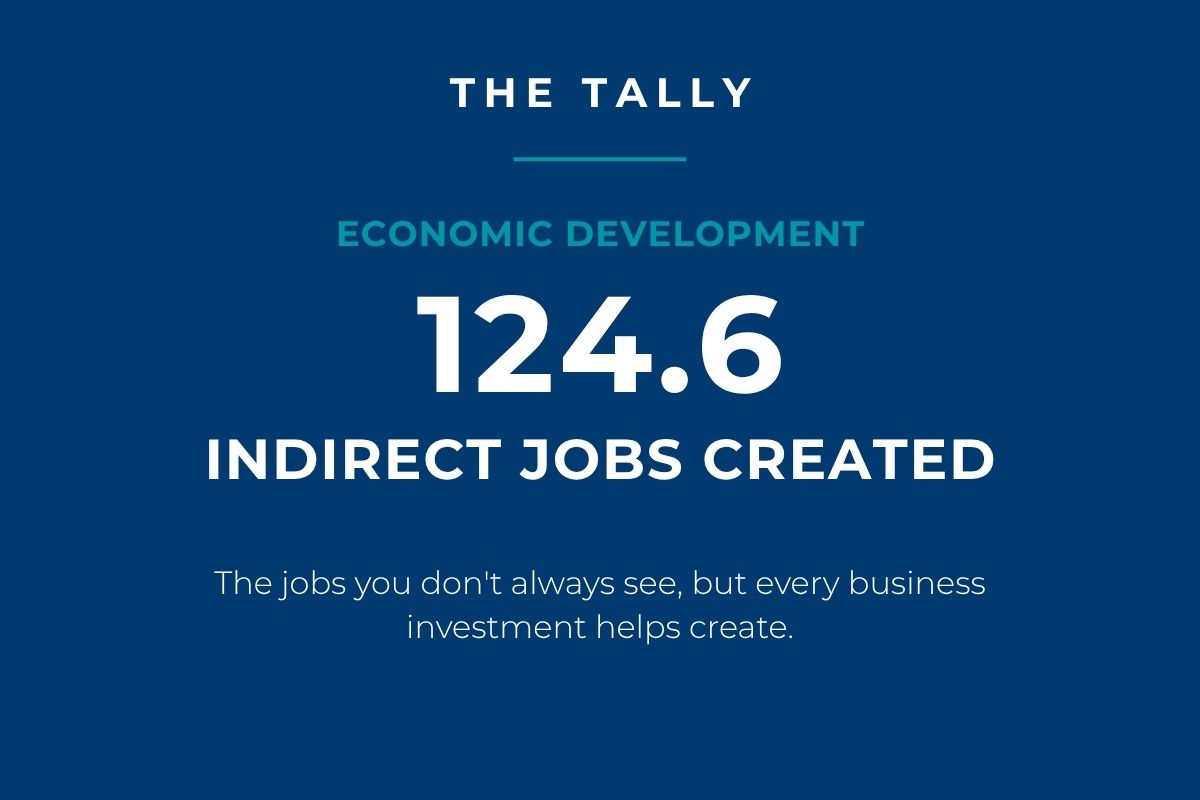
Based on estimates in the FY25 Impact DataSource Report, those projects are expected to create 156 direct jobs over the next 10 years. The report also projects an additional 124.6 indirect and induced jobs during the same time frame.
The first number is easy to understand. The second often raises a question: Where do those jobs come from?
What Are Indirect Jobs?
Imagine a company opens a new facility and hires 50 employees. Those employees work directly for the company, making them the direct jobs associated with the project.
Getting that facility up and running, however, requires much more than 50 employees. The company purchases raw materials, works with trucking companies, hires contractors, relies on equipment suppliers, partners with technology providers, and uses services like accounting, engineering, legal counsel, and maintenance. As the company grows, those businesses often need additional employees to meet the increased demand.
Those are indirect jobs. They aren’t employed by the company making the investment, but they exist because that investment happened.
The estimate of 124.6 indirect and induced jobs reflects those additional opportunities created throughout the regional economy. It also includes induced jobs, which are created when workers spend their earnings on everyday needs like housing, groceries, childcare, healthcare, restaurants, and other local businesses.
Why It Matters
Indirect jobs reflect the connections between one business investment and the many businesses that support it.
They represent the suppliers receiving larger orders, the contractors taking on additional work, the service providers adding capacity, and the local businesses that benefit as companies continue to grow.
As people working in direct, indirect, and induced jobs spend their earnings throughout the Cedar Valley, that economic activity continues to circulate through the region. The four projects completed during Grow Cedar Valley’s FY25 fiscal year are expected to generate approximately $22 million in additional consumer spending each year, supporting businesses large and small while contributing to an average of $14.68 million annually in net benefits that support local communities through public services, schools, and infrastructure.
Looking at the Bigger Picture
One of the priorities identified through Count Me In, the Cedar Valley’s regional population study, is creating the conditions that encourage people to build their careers and lives here. That means growing opportunities, supporting existing businesses, and building a strong regional economy.
Economic development plays an important role in that effort. Every new investment creates jobs, generates new spending, and strengthens the local economy in ways that extend beyond a single employer. Understanding indirect jobs helps us see how one project can create opportunities that benefit businesses, families, and communities across the Cedar Valley.
For more information, please contact Lisa Rivera Skubal, CEcD, VP of Economic Development
REACH OUT
Learn More About Grow Cedar Valley
If you have any questions, don’t hesitate to ask. We’re here and happy to help!